What I Carry
on Deployment
You're not on a crew. Nobody hands you a spike kit. No one's sharing the load.
It's just you, your truck, and up to 14 days in the field.
At this point in my career, comfort isn't a luxury. It's a strategy. Good sleep leads to good decisions. Bad gear leads to bad days. On day 12 of a 14-day deployment, the difference matters.
Fair warning — this is a lot of gear. If you're doing initial attack or working a crew assignment, half of this will make you laugh. That's fine. When you're a single resource with a truck full of space, you stop apologizing for being comfortable.
Everything here has earned its place. Some of it is right for any deployment. Some of it only makes sense if you're vehicle supported. I'll tell you which is which.

The Best Sleep System I've Ever Used
I've used this on every camping night for the past two seasons. Even in rig camps and hotels I'll throw it on top of a sketchy mattress. If you've ever stayed at the Buffalo Lodge, you know exactly why.
Most sleeping bags work against you when you toss and turn. This one doesn't. The sides zip in so it moves with you and stays put. Fully wrapped when it's cold. Open like a blanket when it warms up. You control it without thinking about it at 3am.
The hooded top keeps my bald head warm on cold nights without a toque. Small thing. Big difference.
I've killed one lightweight cot already — too much tossing and turning. My current cot is bombproof but sits high off the ground. The Zenbivy works on all of it. Cot, ground, sketchy mattress. Doesn't matter.
This is not a sleeping bag. It's a bed system. At this point in a long career, that distinction matters.
Rated to 10°F / -12°C. Works on a cot, ground, or whatever passes for a bed on your incident.
Note: I have the Bed 10° — now discontinued. The current Light Bed lineup is the equivalent. Same system, updated design.
Communications
3 itemsYour radio is issued. That's not what this section is about. What matters is backup power and backup comms. A dead radio at the edge of range on a structure triage call is not a situation you want to be in. Extra batteries are non-negotiable. Everything else here is what fills the gaps when the radio isn't enough. For real connectivity in remote deployment — the Starlink section at the bottom of this page is where the actual story is.

Speaker mic for issued portable radio. Haven't found one worth recommending yet.

We run issued radios. What BCWS doesn't issue is enough batteries for a 14-hour day at the edge of range. Carry more than you think you need.
Any deployment
Holds two radios. Thin straps mean you're not cooking in it on a hot structure day. There's a shoulder attachment point — I've clipped a small flashlight there more than once. The radio angle keeps the antenna pointed up and away rather than in your face.
Structure protectionShelter & Sleep
5 itemsThe Zenbivy above covers your sleep system. This section covers everything else that makes a two-week deployment liveable.

Crews will call it a circus tent. I don't care. Camp is bright, loud, and full of bugs. This tent is blackout dark inside. I set it up once at the start of deployment and it becomes my office when it's raining and my bedroom every night. Bug-free. Dark. Quiet enough with earplugs. I won't miss calls — my Apple Watch vibrates on my wrist. No noise needed. Takes longer to set up than it should and it won't survive a serious windstorm. Good spikes fix the second problem. I'd replace it annually if I had to. Worth every dollar.
Field Tested · Vehicle only
Camp is loud. Generator at 2am loud. Foam earplugs cost almost nothing. Loops are better but I keep losing them so I buy foam in bulk and don't think about it again. Any brand works. Just have them.
Any deployment
Hot nights in a tent wreck your sleep. I clip this to my EcoFlow battery so it sits roughly level with me all night. I bring more than one. I've lent them out. Good sleep leads to good decisions — that goes for everyone on your team, not just you.
Field Tested · Vehicle only
A circus tent needs circus stakes. I use a drill to anchor this thing down properly. Bring an impact driver in your truck — it takes 30 seconds per stake and nothing is moving in the wind. Pro tip: on the last night of deployment, loosen the stakes before bed. You will not want to run a power tool at 5am next to 50 people sleeping in tents. Unless they have earplugs.
Field Tested · Vehicle only
If you don't have a drill these are the next best thing. 12 inches of forged steel goes into hard ground with a mallet. Not as fast as a drill but they hold. Good stakes are the difference between a tent and a kite.
Field Tested · Any deploymentPersonal Protective Equipment
2 itemsMost PPE is issued. This section covers what I buy myself on top of that.

The warehouse will have work gloves. These are for everything else — driving, keyboard work, detail tasks where issued gloves are too heavy. The SPS role is as much documentation and assessment as it is hands-on work. Your hands need to work either way.
Field Tested · Any deployment
Clips to your duty belt. Gloves stay on your person, not in a pile somewhere. Pack of 2 — one for work gloves, one for the Mechanix. Simple but I'm surprised how many people don't have this.
Any deploymentClothing & Base Layers
3 itemsWool in wildfire country sounds wrong. It isn't. Merino wool regulates heat, handles smell over multiple days, and doesn't feel like you're wearing a garbage bag in 35 degree weather. For a 14-day deployment it's the single biggest comfort upgrade you can make.

I wear the cycling cut specifically. It's longer in the back so it stays tucked under PPE all day. Might be a personal thing — but if you're not a small person, you know exactly what I mean. Regulates heat better than synthetic. Doesn't smell after multiple days. I've tried Icebreaker — similar price, same pro deal, fell apart faster. Smartwool has held up. Look up the Smartwool pro deal online. You need proof of current firefighter status. Worth the few minutes it takes.
Field Tested · Any deployment
Your feet are in boots for 14 hours. Wool socks are not optional at this point in a long career. Cushioning, heat regulation, smell — all of it matters on day 12. Same pro deal as the shirts. Buy several pairs.
Field Tested · Any deployment
Bald head. BC summer sun. The hard hat helps — it's good motivation to keep it on. I use SPF 15. Anything heavier clogs pores and makes you hotter in full PPE. Reapply more often instead.
Any deploymentFootwear
1 itemYour feet are the one thing you can't swap out mid-deployment. Get this right and nothing else matters. Get it wrong and day 5 is a misery test. Pair with the Smartwool socks in the Clothing section — that combination is the full answer.
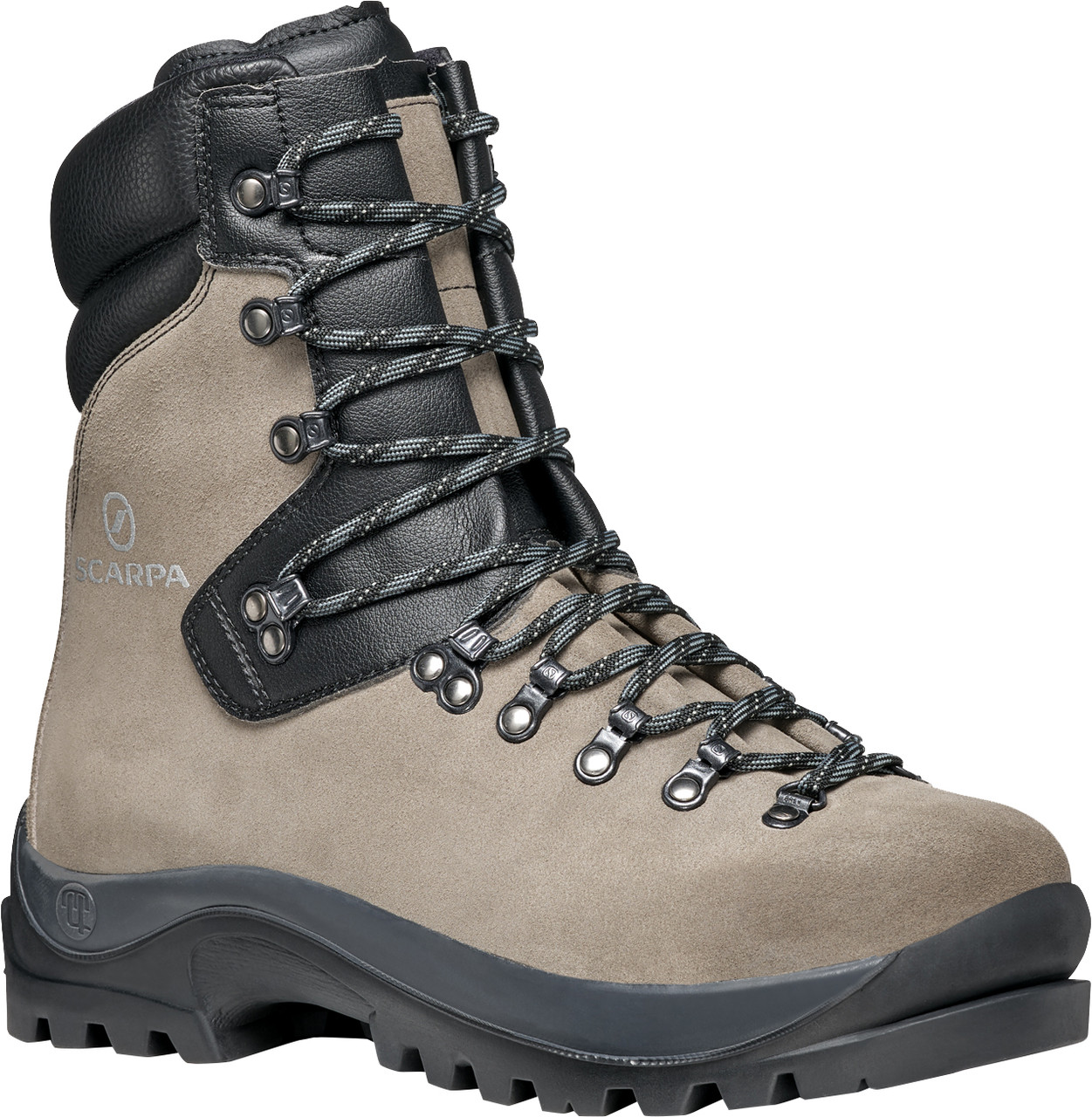
I live in these on deployment. 14-hour days, rough terrain, two weeks straight — and they still clean up like new after every season. One quirk: the tongue works its way down as the day goes on. Readjust at noon and it's not an issue for the rest of the shift. Never had a blister or pain. Pair with Smartwool socks and your feet are never the problem.
Field Tested · Any deploymentTools
1 itemOne tool in my pocket all day.

In my pocket every single day. Cutting things, pliers, bit driver — I reach for it constantly without thinking about it. Seven tools, five ounces. If you only buy one thing from this page, buy this. I keep one on me, one in the truck, one in my kit bag. When you use something this much you stop wanting to look for it.
Field Tested · Any deploymentLighting
4 itemsGood lighting is the difference between a functional camp and a frustrating one. Three different lights for three different jobs.

Hands-free light for pre-dawn briefings and night work around camp. 400 lumens handles most tasks.
Field Tested · Any deployment
Magnetic base sticks to the truck, trailer shelving, anywhere metal. Built-in stand keeps it upright on the ground. I hang one from the top of the tent when I'm doing paperwork at night. Rechargeable, 1500 lumens, comes in a two pack. I keep them in different spots — truck, camp box, briefcase bag. You always know where one is.
Field Tested · Vehicle only
This one lives under my cot. When you step down in the dark at 3am to find your shoes, it turns on automatically. Works so well I use one under my bed at home in the winter. When deployment gear improves your regular life, you know it's a good product. Magnetic mount, USB rechargeable, three in a pack.
Field Tested · Any deployment
Soft warm light for reading or winding down in the tent. The important part — you can turn it off without getting out of bed. Plugs into any USB port. Costs almost nothing. Stays in my camp kit permanently.
Field Tested · Any deploymentHydration
4 itemsCamp provides water. That's not the problem. The problem is staying on top of hydration through a 14-hour day in smoke and heat. Here's what actually works.

My daily driver. I'm drinking it right now. On a long deployment day in full PPE you lose more than water. Electrolytes matter — especially if you're eating low-carb in the field. I go through a packet a day minimum in hot weather. Referral link and more carnivore field nutrition at carnivoreweekly.com
Field Tested · Any deployment
Always with me and always full. Wide mouth so I can drop LMNT straight in. I have three. One for LMNT, one for water only, and one that lives in the tent for middle-of-the-night emergencies when it's below zero and the bathroom is far away. It's red. Red means stop. If you've camped enough you know exactly what I mean. Indestructible. Costs nothing. Buy several.
Field Tested · Any deployment
I've had expensive travel mugs. I bought this one at Walmart and it's been with me for two seasons. Coffee at pre-dawn briefings. Coffee between assignments. Coffee when camp food is the only other option. You know what it's for.
Field Tested · Any deployment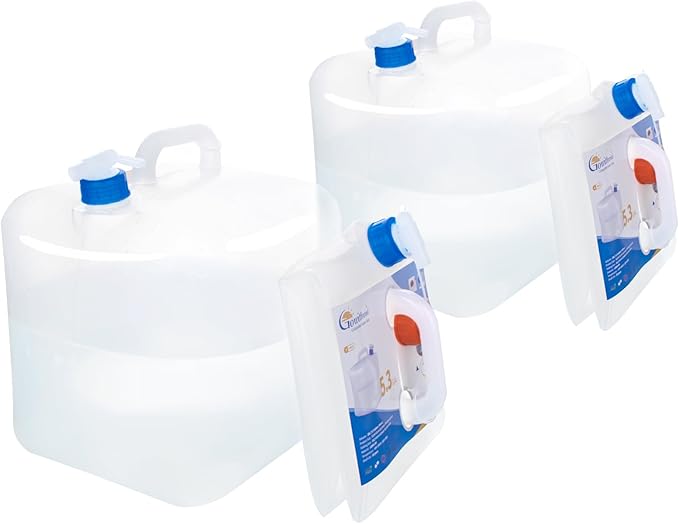
I pack it every time. I haven't filled it in a while — camp always has water. But remote structure assignments happen and you don't always know what you're driving into. Takes up almost no space empty. Worth having.
Vehicle onlyNutrition
3 itemsHonest answer — carnivore is not manageable on deployment. I struggle and end up eating camp food like everyone else. The fridge helps. Jerky and pepperoni sticks fill the gaps. I'm still working on the rest.
The real problem isn't protein — it's fat. Camp food is low fat by design. Even with jerky, pepperoni sticks, sardines, and a fridge full of meat, I end up with cramps by week two from the fat deficit. Pemmican in bulk batches might be the answer. Still working on it.
If you've solved this problem, I want to hear from you — carnivoreweekly.com

High protein, no prep, no refrigeration. Lives in my kit bag, my truck, my briefcase. This is the backbone of eating well between camp meals. Load up before you leave. Good quality jerky with no sugar is hard to find — check carnivoreweekly.com for what I actually buy.
Field Tested · Any deployment
Excellent protein source. Cheap. Shelf stable. Two things to know. First — the smell. If you're eating these in a tent or a shared space, you will not be making friends. Second — bear country. Strong smelling food in remote BC is a real consideration. Eat them in the open, dispose of the tin properly. If you can manage both of those things, they're worth carrying.
Any deployment
These live in my truck for emergencies. I've never had to crack one open but I've been glad they were there. Remote structure assignments don't always have guaranteed food. One MRE kit means you're never in a situation where you're making bad decisions because you haven't eaten.
Vehicle onlyHow I fuel 14-hour deployment days on a carnivore diet — meal timing, protein targets, and what to do when camp food isn't an option.
Admin & Carry
6 itemsThe paperwork reality of a senior single resource — SitReps, briefing notes, crew evals, safety forms. You need systems that work in a truck, in a tent, and in the rain.

Camp usually issues these. I carry my own anyway. Some Plans Chiefs still want paper. This is the paper they like. Waterproof, tough, writes in the rain. Keep one in your kit even if you've gone digital — you never know who you're working for until you get there.
Field Tested · Any deployment
I have a lot of little power banks. Some issued, some from Amazon, some I honestly don't know where they came from. A few are essential. The best one is the MagSafe that attaches to the back of the phone. No cable. No fumbling. Snaps on when you run low and you keep moving. On a busy deployment day that matters more than you'd think.
Field Tested · Any deployment
The thing I use most is alarms. Every two hours you need to check in. First thing every morning I set alarms for the next 20 hours straight — just in case I get busy and lose track. The phone is constantly going on deployment. The watch makes it easy to find the right alarm fast. But the quiet wakeup is worth every penny. Earplugs in, watch on your wrist, it vibrates when someone calls. You sleep through the camp noise and wake up for what matters. That's worth all the money right there.
Field Tested · Any deployment
I've been moving to digital notes and haven't had pushback — as long as I save everything as a PDF at the end of deployment. SitReps, briefing notes, crew evals, safety forms — all on the iPad. Searchable, backed up, legible. Some Plans Chiefs still want paper. Know your audience before you show up without a notebook.
Field Tested · Any deployment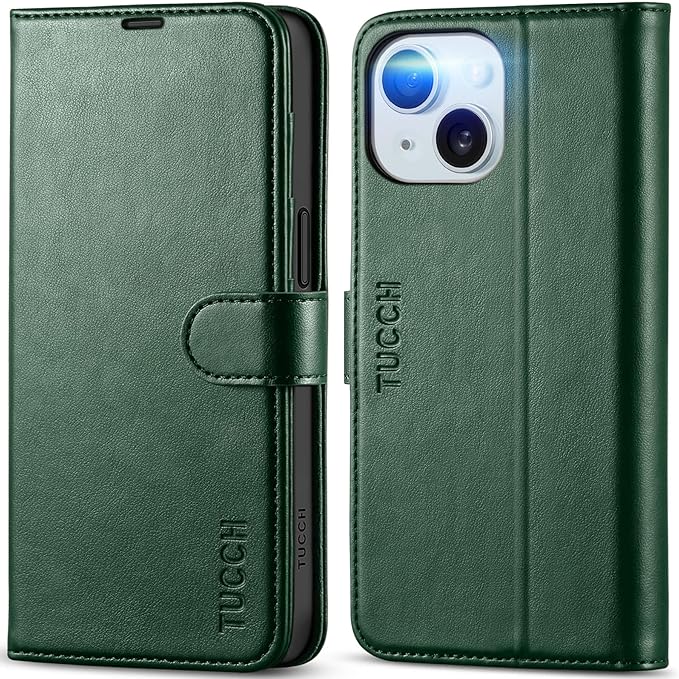
My work phone case has a slot for my travel card and purchase card. They're always with me, always accessible. Simple. Never leave for a deployment without your purchase card in your hand not your bag.
Any deployment
Three apps cover everything I need in the field. Google Maps for roads and getting to the incident. Avenza for georeferenced PDF maps — load your operational maps before you leave cell range. Google Earth for aerial imagery and pre-planning. Download your maps before you leave. Cell service is not guaranteed and usually doesn't exist where you're going.
Any deploymentConnectivity
1 item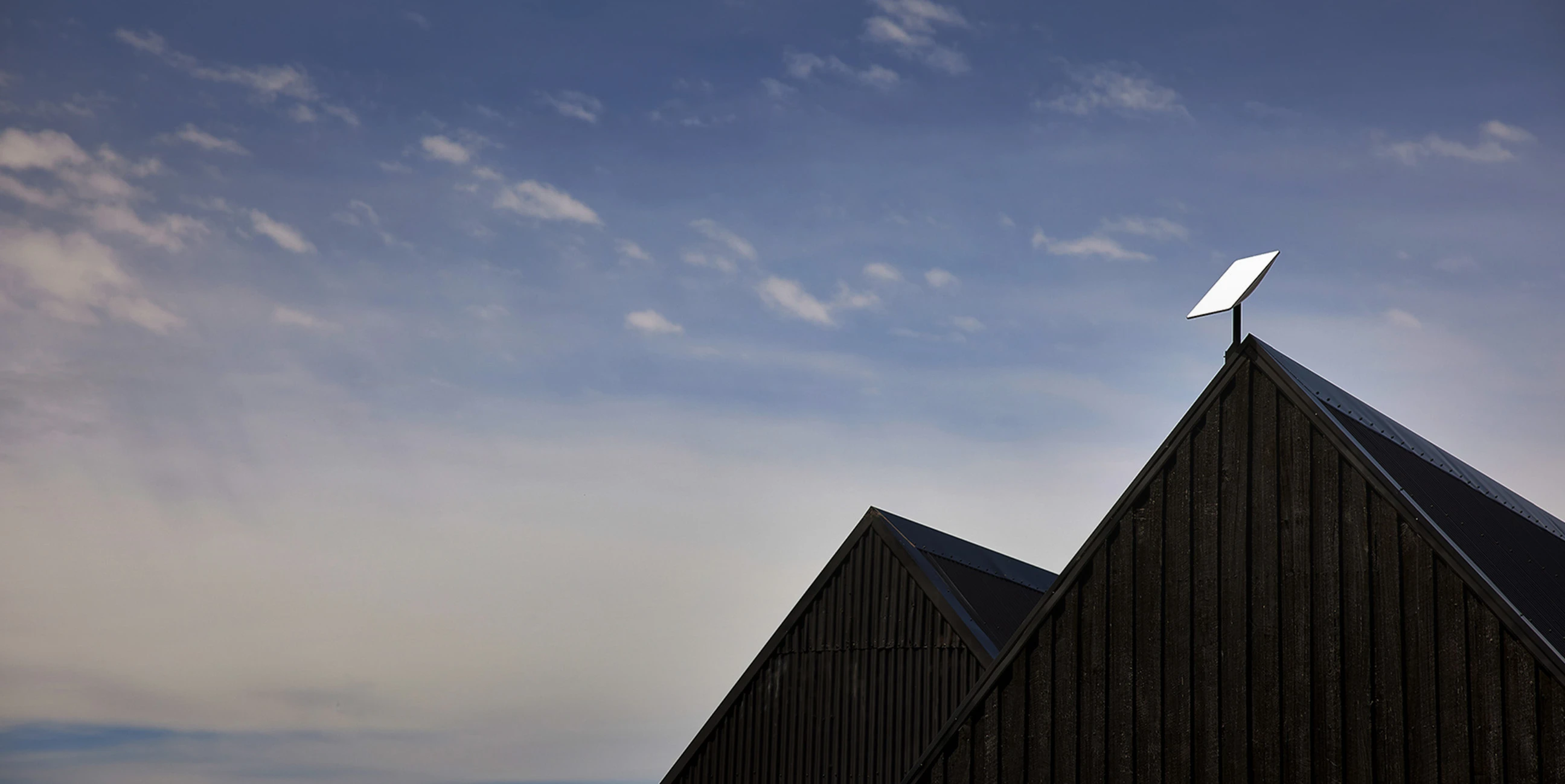
Satellite Connectivity in the Field
Remote deployment means no cell service and no internet.
Starlink changed that. I use it to pull up structure records, coordinate with crews, and maintain situational awareness during multi-week deployments in areas with zero infrastructure.
This is not an affiliate link. But if you use my referral link, we both get a free month of service.
Get Starlink — we both get a free month →Power & Camp Comfort
3 itemsThis is the part crews laugh at until day three. Then they're plugging their phones into your truck.
I run a silent camp. No generator noise at night. Solar charges everything during the day. The Delta 2 runs the fridge, Starlink, and fan at night without waking anyone up. It's overkill until it isn't.

The hub everything runs off. Fridge, Starlink, fan, phones, iPads — all day on solar, all night on battery. No generator. No noise. No fuel to source. I've looked at adding the River for a second unit. Don't need it yet but the system is expandable if your deployment gets longer or your power needs grow.
Field Tested · Vehicle only
Set them up at base or at the structure depending on the day. Easy all-day charge. I've only needed them a handful of times but when I did, everything just ran. Phones, iPads, fridge, Starlink — all day without touching the battery. Silent. No moving parts. Folds into the truck when you move.
Field Tested · Vehicle only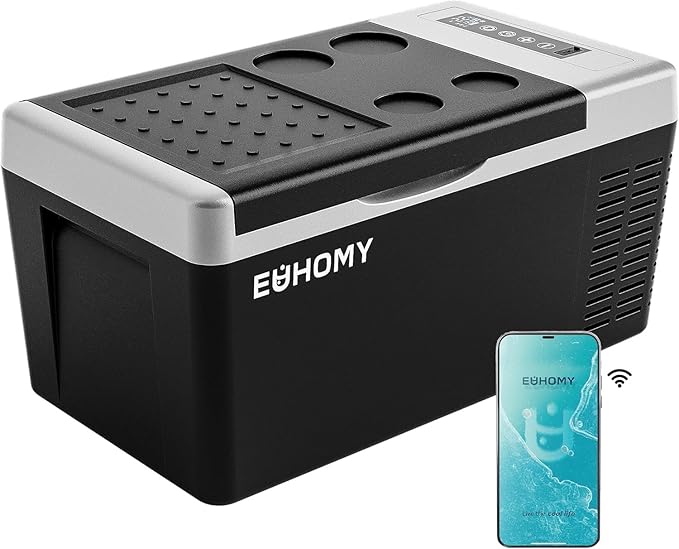
Runs off the Delta 2 so there's no generator noise at night. Dual zone means one side stays frozen. Cold water and electrolytes in the middle of nowhere for a crew that's been working all day in smoke and heat. Nothing makes you more popular. It sounds like a luxury. It's actually just looking after people.
Field Tested · Vehicle only